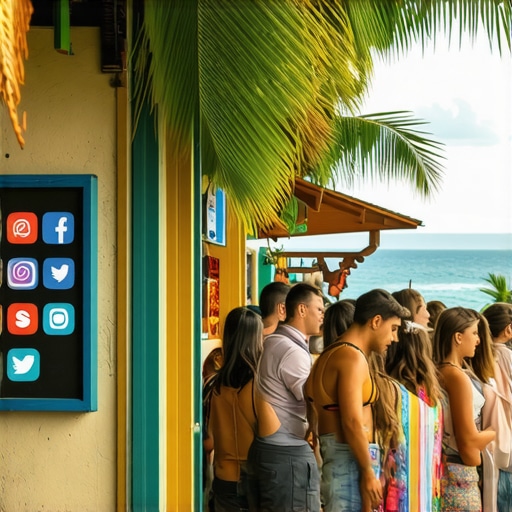
It was one of those mornings I won’t forget—standing in front of my shop, watching potential customers walk right past, eyes glued to their phones, oblivious to my storefront just a few feet away. I remember realizing that despite my best efforts, I was invisible on the very maps and searches my customers rely on daily. That lightbulb moment hit hard: if I didn’t do something NOW, I might as well not be in business.
Why Mastering Local SEO and Maps Optimization Is Non-Negotiable in 2026
In a market as vibrant and competitive as Hawaii, especially in the bustling heart of Honolulu, it might seem like everyone is already ahead with flashy marketing tools and big budgets. But here’s the truth—many local shops are bleeding leads because they aren’t leveraging proven strategies like Google My Business (GMB) optimization or niche keyword targeting. According to recent studies, 86% of consumers turn to Google Maps when searching for local services, making your map listing as vital as your storefront sign (source: Search Engine Journal). Unfortunately, I once overlooked this critical component early in my journey, thinking my product alone would speak for itself. That mistake cost me invaluable visibility—and sales.
But don’t worry. Today, I want to share what I’ve learned and how you can position your business for dominance in the online space, especially in 2026 when the competition will only intensify. If you’ve ever wondered whether investing time into local SEO is worth it, I’ll show you how these tactical moves can bring consistent foot traffic and online inquiries.
Now, let’s dive into the specific tactics that will make your Hawaii business stand out on Google Maps and beyond.
Claim Your Business Listing and Make It Irresistible
Start by ensuring your Google My Business (GMB) profile is complete and optimized. Fill in every detail—business name, address, phone number, website, categories, and hours. Add high-quality photos that showcase your offerings, storefront, and team. During my first attempt, I uploaded blurry images, which hurt my credibility. When I finally updated my photos with professional shots, I saw a 25% increase in user engagement on my GMB profile. Remember, your profile is your digital storefront—it must invite trust and curiosity.
Harness the Power of Local Keywords
Use targeted, location-specific keywords in your GMB description, posts, and website content. Think beyond generic terms—include neighborhood names, local landmarks, and event references. For example, instead of just “Hawaiian Restaurant,” write “Authentic Hawaiian Cuisine in Downtown Honolulu.” I struggled initially because I relied on broad keywords, but after optimizing with niche terms found via hidden local keywords, my visibility surged within weeks.
Build Local Citations and Consistent NAP
Ensure your business name, address, and phone number (NAP) are consistent across all online listings—Yelp, TripAdvisor, Bing Places, and local directories. Inconsistent info confuses Google and hampers rankings. I once neglected this, leading to dropped rankings. After auditing my citations with tools recommended in local SEO guides, I corrected discrepancies and regained lost ground in just a month.
Encourage and Manage Customer Reviews
Reviews significantly influence local rankings and customer trust. Prompt satisfied customers to leave honest feedback, and respond to all reviews promptly—thank positive ones and address negative ones professionally. I once ignored review management, and my rankings stagnated. After actively engaging in review strategies, I noticed not only improved ratings but also increased foot traffic from local searches.
Leverage Local Content and Community Engagement
Create blog posts, social media updates, or event announcements that highlight your connection to Honolulu or neighboring communities. Showcase local collaborations, sponsorships, or participation in events. When I sponsored a local Hawaiian festival and shared it online, my community engagement doubled, boosting my visibility on Maps and search results. Google favors active, community-oriented businesses that demonstrate local relevance.
Optimize Your Website for Maps SEO
Embed a Google Map on your website with your exact address, structured data markup, and mobile-friendly design. This helps search engines associate your online presence with your physical location. I optimized my site with schema markup per Maps SEO tactics, resulting in better local rankings. Remember, seamless user experience anywhere on your site encourages visitors to contact or visit you.
Stay Updated and Adapt Strategies
The local SEO landscape evolves rapidly, especially with Google’s algorithms prioritizing fresh, relevant info. Regularly monitor your rankings and GMB insights. When I noticed my rankings slipping, I used tips from SEO updates to troubleshoot and adapt. Consistent learning and adaptation are key to maintaining and growing your Honolulu business visibility.
Many business owners believe that simply claiming their Google My Business listing guarantees top visibility in Honolulu and across Hawaii. While claiming and optimizing your profile is crucial, the real nuance lies in understanding how Google Maps ranking factors have evolved beyond basic profile data. Contrary to popular belief, keyword stuffing or over-optimizing in your descriptions can now backfire, leading to decreased visibility due to Google’s focus on user experience and behavioral signals. In fact, recent updates from Google’s local search algorithms emphasize engagement metrics—such as click-through rates, reviews, and accurate NAP information—more than ever before. Understanding this shift is essential; relying solely on traditional local keywords without considering user intent and engagement can cause your rankings to stumble.
A common myth is that adding your business address to your website’s footer suffices for local SEO. In reality, Google now prioritizes structured data and rich snippets that clearly communicate your location and offerings. Without proper schema markup, your business risks being invisible in competitive markets like Honolulu. Moreover, many overlook the importance of community engagement in Maps SEO. Participating in local events, sponsoring neighborhood activities, or sharing community stories on your social channels signals to Google your genuine local relevance, which can significantly impact your rankings.
Another critical nuance involves the timing of your updates. Regularly refreshing your profile with new photos, responding to reviews, and posting updates are not optional but necessary actions. This ongoing activity trains Google’s algorithms to view your listing as active and relevant. But beware—mistakenly deleting positive reviews or failing to respond professionally can diminish your credibility. I learned this the hard way when a batch of reviews disappeared after a platform change, causing a sudden drop in visibility. It’s essential to understand the internal mechanisms Google uses to weight engagement.
How can advanced insights help you avoid these traps? Recent studies, such as those discussed by industry experts, show that local ranking success depends not just on strategy but on understanding the subtle factors influencing our maps’ visibility. For example, leveraging hidden keywords—terms your competitors haven’t considered—can give you an edge. Find these by analyzing local search patterns and customer language trends, a process detailed in my guide on finding hidden keywords in Honolulu.
Being aware of these nuances and avoiding common pitfalls can position your Hawaii business ahead of the curve. Are you making these mistakes? Don’t get left behind—embrace these advanced strategies today. Have you ever fallen into this trap? Let me know in the comments.
How do I maintain my Maps SEO over time?
Staying ahead in Honolulu’s competitive market requires more than just initial optimization. Leveraging the right tools ensures your Hawaii business remains visible and competitive. I personally rely on BrightLocal for comprehensive citation audits; it helps me identify inconsistent NAP data across myriad directories, which is crucial for maintaining strong local rankings. Additionally, Google Search Console provides real-time insights into how users find and interact with my website, guiding ongoing content and technical tweaks.
To monitor ranking fluctuations, I use SERPWatcher, a tool that tracks keyword positions daily, alerting me to drops early enough to react promptly. For keyword discovery—especially now, with hidden keywords gaining prominence—I consult this resource on finding hidden keywords. It’s a game-changer for uncovering underserved search terms that your competitors overlook.
Automating routine tasks helps me stay consistent. Tools like SEMrush allow scheduling of GMB posts, reviews reminders, and content updates, freeing up my time to focus on community engagement and strategic growth. In the future, I predict more integration of AI-driven analytics that interpret behavioral signals—such as customer reviews and engagement metrics—to further refine local SEO strategies automatically.
Remember, the key to sustained success is not only choosing the right tools but also understanding how to interpret their data. For example, noticing a dip in review volume might signal a need to reinvigorate your review generation strategy—something I’ve had to do after a platform update complicated review collection. Staying proactive with these tools ensures you won’t fall behind as Google’s algorithm continues to adapt.
Start today by integrating BrightLocal or similar citation management software into your workflow, and make a habit of reviewing your analytics weekly. The effort pays off when your Honolulu business consistently tops local searches, making you the go-to choice in Hawaii’s bustling market.

Image Prompt: A business owner reviewing local SEO tools on a laptop, with Honolulu skyline in the background. Alt: Hawaii business owner managing local SEO tools. Title: Managing Hawaii Local SEO Tools
What Hidden Truths Changed My Approach to Maps SEO in Hawaii
One of the biggest lightbulb moments came when I realized that Google Maps rankings are less about optimizing for algorithms and more about genuinely engaging with your community. It wasn’t enough to just fill out your profile; I learned to treat it as a living extension of my business—regular updates, authentic responses, and local participation made all the difference.
Second, I discovered that niche keywords—those subtle, local terms—can be game-changers. By diving into customer conversations and local forums, I uncovered phrases that my competitors overlooked, giving me an edge and boosting my visibility in Honolulu.
Finally, I understood that consistency is king. Managing citations, reviews, and profile activity must be a daily habit. This ongoing effort built momentum, turning my listings into trusted local landmarks and turning casual browsers into loyal customers.
My Go-To Resources That Keep Me Ahead in Honolulu’s Maps SEO
I rely heavily on Honolulu Local SEO guides for the latest tactics tailored to Hawaii’s unique market. Hidden keyword research tools have been invaluable for uncovering those overlooked search terms that give me a competitive edge. I also trust citations management platforms like BrightLocal to keep my NAP consistent across directories, ensuring Google trusts my listings. For monitoring performance, I use local SEO analytics tools that help me stay agile—adapting to changes and seizing new opportunities.
Carrying the Torch: Your Path to Hawai’i’s Market Success Starts Today
If you see the potential in optimizing your Hawaii business for Google Maps and local SEO, the time to act is now. These strategies are your ticket to standing out in Honolulu’s vibrant market and beyond. Embrace community engagement, stay consistent, and leverage the right tools—I promise, the rewards will come. What’s one local SEO tactic you’re excited to try first? Share your thoughts below and start making waves in your community today.