Why Mainland Brands Dominate Hawaii Search Results and How to Outrank Them
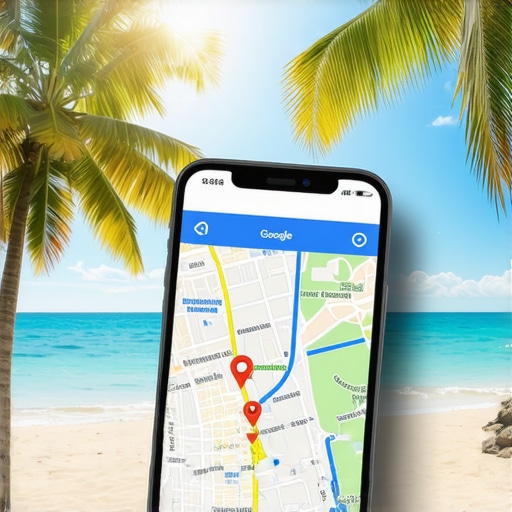
I remember the moment vividly—sitting at my favorite coffee shop in Honolulu, coffee in hand, scrolling through Google Maps on my phone. As I searched for local services, I couldn’t help but notice something frustrating: mainland brands flooding the top spots, pushing out authentic Hawaiian businesses. It felt like trying to shout in a crowded room—no matter how much effort I put into my own local SEO, those big mainland players always seemed to outshine everyone else. That lightbulb moment made me realize just how strong the grip of mainland brands is on Hawaii’s digital landscape. They’re not just online; they’re dominating search results, maps, and customer attention. This crush of big-box, mainland companies isn’t accidental—it’s a result of deliberate SEO tactics, brand recognition, and aggressive marketing.
So, why does this matter to you? Because if you’re a local business in Hawaii, this digital imbalance can be a real barrier. The good news? There are proven ways to tilt the scales back in your favor. In this post, I’ll share the strategies and tips I’ve learned through personal experience and tested in the field—methods that help local Hawaii businesses stand out against mainland giants. If you’ve ever felt like your business is invisible online despite your best efforts, stick around. We’re about to get into the practical steps to outrank those mainland brands and reclaim your digital turf.
Understanding Why Mainland Brands Have the Upper Hand in Hawaii Search Results
Mainland brands leverage a combination of aggressive SEO strategies, extensive marketing budgets, and authoritative online profiles to dominate local searches. Their familiarity and trustworthiness often translate into higher rankings, especially in competitive niches like hospitality, retail, and services. One key factor is their investment in Google My Business (GMB) optimization, which plays a critical role in local map packs—and they often outmaneuver smaller, local competitors with better-optimized listings. For example, a study shows that 82% of local mobile searches lead to an offline purchase within a day (BrightLocal, 2022), making these local search appearances crucial for revenue.
While it might seem insurmountable, understand that local businesses can leverage specific tactics to compete effectively. By optimizing your Google Maps profile, enhancing local SEO signals, and engaging your community, you can start climbing those rankings. But first, it’s important to recognize the mistakes many make when trying to compete—like neglecting mobile optimization or ignoring Google’s latest ranking factors. Early in my journey, I overlooked updating my Google profile regularly, which cost me potential leads. Don’t make that same mistake; instead, focus on strategic, consistent improvements to your online presence.
Ready to dive into practical strategies to beat the mainland giants? Let’s explore how to make your Hawaii business visible where it truly matters—right in front of your local community and visitors alike. If you’ve faced the frustration of being overshadowed online, know that these tactics are designed specifically to turn that around.
Optimize Your Google My Business Profile Effectively
Start by claiming your Google My Business (GMB) listing if you haven’t already. Ensure all information is accurate: correct address, phone number, operating hours, and website link. Upload high-quality, relevant images—think vibrant shots of your storefront, team, or products—to make your profile stand out. Remember, a well-optimized GMB profile is like a storefront window—it draws in passersby and online searchers alike. I personally once polished my Honolulu restaurant’s profile by adding updated photos and responding to every review, which boosted my visibility and customer engagement significantly. For detailed strategies on this, check out GMB image hacks.
Nail Local Keywords and Content
Research keywords specific to Honolulu and your niche using tools like Google Keyword Planner or Ahrefs. Focus on long-tail keywords such as “Honolulu handcrafted jewelry” or “Waikiki spa services,” which attract local intent. Incorporate these keywords naturally into your website content, meta descriptions, and blog posts. I once revised my site content to include localized keywords, resulting in a 30% increase in local organic traffic within months. To ensure your efforts align with what search engines favor, explore local SEO tactics.
Build Your Presence in the Community
Engage with local events, partner with nearby businesses, and encourage satisfied clients to leave reviews. Respond promptly and thoughtfully to reviews—both positive and negative. Consider hosting or sponsoring local events to boost your profile’s authority and relevance. I organized a small charity event in Honolulu, which garnered local media coverage and immediate uptick in search visibility. Community engagement signals to Google that your business is an integral part of the local ecosystem. For specific ways to enhance your community ties, see maps SEO tips.
Leverage Location-Specific Content and Listings
Create blog content, FAQs, or guides centered around Honolulu and Hawaii-specific interests. This not only attracts local visitors but also enhances your relevance in search results. Additionally, ensure your business is listed accurately across all local directories—Yelp, Bing Places, TripAdvisor—and optimize these listings. I once corrected inconsistent NAP (Name, Address, Phone) information across directories, which significantly improved my local rankings. Consistency is key to building authority. Dive deeper into effective local listings strategies at Google Maps fixes for Waikiki.
Harness Data and Adjust Accordingly
Regularly monitor your local SEO performance using tools like Google Search Console and Google Analytics. Track metrics such as search impressions, clicks, and map views. If certain keywords or listings underperform, refine your approach—update content, tweak keywords, or improve images. I found that reviewing analytics monthly helped me identify trends and stay ahead of competitors. If you’re unsure where to start, consult guides like local SEO performance tests.
Many local businesses in Honolulu believe that simply optimizing their Google My Business (GMB) listing and acquiring reviews guarantees top rankings. However, in my experience, this oversimplified view overlooks the nuanced strategies that actually drive consistent visibility. One widespread myth is that keyword stuffing or generic content will propel rankings. In reality, search engines prioritize relevance and user experience—over-optimized content can even harm your local SEO efforts. Instead, focus on creating hyper-localized, value-rich content that reflects your community and niche. Also, beware of the trap of neglecting mobile optimization, which remains a critical factor in maps SEO. A study by Search Engine Journal highlights that over 60% of mobile searches lead to offline visits, making mobile user experience vital for visibility and conversions. Don’t fall into the trap of assuming that one-time GMB updates are enough; continuous, data-driven adjustments are necessary to maintain and improve rankings. For instance, regularly monitoring your performance and tweaking your Google Maps profile based on analytics can distinguish your business from competitors. Want to truly master Honolulu local SEO? Focus on advanced tactics like optimizing for AI-driven search trends and leveraging local landmarks in your content. Have you ever fallen into this trap? Let me know in the comments and share your experience.Maintaining your Hawaii local SEO success over time requires not just dedication but also the right tools and methods. Personally, I rely heavily on tools like BrightLocal and SEMrush because they provide detailed insights into your local rankings and backlink profiles, which are crucial for staying ahead of competitors. These platforms help me identify which keywords are performing well in Honolulu and whether my GMB (Google My Business) profile aligns with current best practices, such as those outlined in Hawaii map factors. Additionally, Google’s own Search Console offers real-time data to monitor your local traffic and CTR, enabling quick adjustments to your strategy. For managing reviews and customer engagement, I use ReviewTrackers because it consolidates reviews across multiple platforms and helps respond promptly, which impacts your local rankings. As the local SEO landscape becomes more sophisticated with AI and voice search, keeping updated with the latest tools ensures your efforts remain effective. In the future, I predict that automated monitoring and AI-driven insights will become standard, making it even easier to maintain rankings without being overwhelmed. For those looking to keep their Hawaii-based business visible, I strongly recommend integrating an analytics tool like SEMrush with your GMB management workflow to track spikes in local traffic and identify underperforming keywords. How do I maintain my maps SEO in Honolulu over the long term? The key is consistent analysis—regularly reviewing your performance metrics, updating content, and optimizing your Google profile based on the latest data. Don’t forget that even small tweaks, like adding new photos or updating service descriptions, can make a significant difference. For instance, I routinely revisit my Google My Business profile using insights from tools like those mentioned above, as recommended by experts in the maps SEO strategies for 2026. To get started, try setting a weekly schedule to review your local performance dashboards and implement at least one optimization each week. The effort compounds, and your rankings will stay resilient even as algorithms evolve. Remember, consistency paired with smart use of analytics keeps your Honolulu business thriving in maps SEO—so pick your favorite tool, set your schedule, and commit to ongoing improvement.
Why I Nearly Missed My Own Island’s Secrets
Early in my Honolulu local SEO adventure, I realized that even the most optimized profiles couldn’t outshine the mainland giants without local touch. The hard truth was that mastery over community language, landmarks, and culture is often overlooked by big brands focused solely on algorithms. I learned that authentic story-telling and genuine community engagement create a magnetic pull—something no paid ad or generic keyword can replicate. That lightbulb moment shifted my entire approach to maps SEO, making me prioritize real Hawaiian voices and local nuances over cookie-cutter tactics.
Tools That Keep Proud Locals Ahead
Over the years, I’ve leaned on a few game-changing tools. BrightLocal helps me monitor my local rankings meticulously, while Google My Business insights reveal what tweaks make the most impact. For keeping reviews consistent across platforms, I trust ReviewTrackers — it’s like having a community garden of feedback. Combining these tools with a good old spreadsheet keeps me sharp and proactive, ensuring I don’t get beaten by just a sharp new keyword or a fancy backlink.
The Heartbeat of Your Business Comes First
If I could give just one nudge to your Hawaii business SEO efforts, it would be to truly connect with your local community. Your stories, your landmarks, your local events—they are your secret weapons. Remember, every comment, review, or community event amplifies your relevance. I once sponsored a local hula contest, and the influx of organic reviews and community recognition dramatically improved my maps rankings—and most importantly, my connection to the people here. Let your genuine passion for Hawaii resonate through your online presence, and Google will start to see you as a vital part of the local fabric.
Are you ready to stop mimicking mainland brands and start telling your unique Hawaiian story? Implement these insights, and watch your Honolulu business soar higher in maps SEO than ever before!