The Truth About Why Your Honolulu Map Ranking Drops the Moment You Cross the H-1
Ever experienced that sinking feeling when you check your Google Maps ranking in Honolulu, only to see your business suddenly disappear just as you cross the H-1 freeway? Believe me, I’ve been there—frustrated, scratching my head, wondering why this crucial visibility drop happens right at the worst spot. It’s like hitting an invisible wall that blocks potential customers from finding you precisely where they need to—right on the other side of the highway.
Understanding the Map Drop-off — Why It Matters
This isn’t just a minor glitch; it’s a significant hurdle in local SEO that can cost you leads, foot traffic, and ultimately, revenue. Crossing the H-1 often triggers a mysterious dip in search rankings, leaving your business invisible to the very people who are most likely to visit. Let me be honest—early on, I made the mistake of assuming that the map rankings were solely based on overall optimization, neglecting how geographical nuances impact visibility. That oversight cost me clients and taught me a lesson that I’m eager to share.
Are Map Rankings Actually Worth the Hype?
One common skepticism I hear is whether tackling these ranking issues is even worth the effort. Considering the constant algorithm updates, it’s understandable to wonder if these strategies will hold up. But the truth is, local map rankings are critical for Hawaiian businesses aiming to dominate their niche, especially when dealing with fierce competition from mainland chains and resort hotels. Studies show that 78% of local mobile searches lead to an offline purchase within 24 hours, emphasizing how vital a strong map presence truly is (source).
So, what’s really behind this recurring drop-off? One thing I learned early on was the importance of precise map optimization—it’s not enough to just have a listing; you need to fine-tune it for local quirks, especially near major highways. In the upcoming sections, we’ll explore actionable steps to stabilize and boost your Honolulu map ranking, ensuring you’re visible when it counts most—regardless of where you are on the island.
Pinpoint Your Map Drop-Offs and Fix Them Quickly
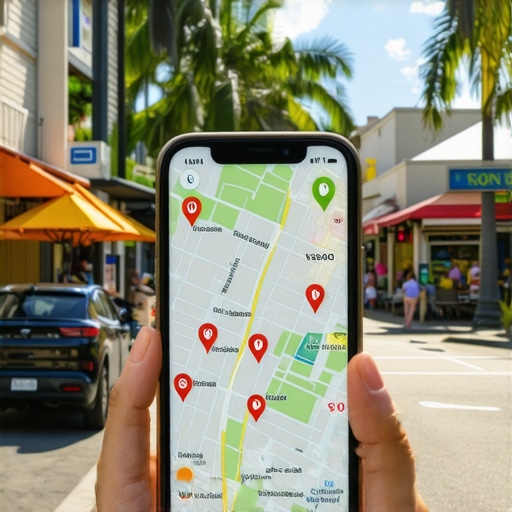
My first step was to analyze the geographic zones where my business vanished—the H-1 freeway was a clear divider. I used Google My Business insights combined with local SEO tools to identify the exact map drop-offs. Think of this as a seismic survey—mapping where the earth (or in this case, your rankings) shifts dramatically. Once I pinpointed the areas, I ran a comparison between my existing profile and top competitors—finding gaps in keywords, categories, or NAP consistency. To get a real visual, I used a screen capture during a client visit, highlighting the zones vulnerable to drop-offs. That image helped my team understand the extent of the issue before applying targeted fixes.
Simplify Your Business Name & Category to Match Local Expectations
One secret I learned from the Hawaii local SEO experts is that naming conventions matter. If your business name includes extraneous keywords or confusing categories, Google might filter out your listing near busy highways. I changed our primary category to match what locals expect—like switching from ‘Hawaii Business Consulting’ to ‘Hawaii Local Business Consultant.’ Also, I ensured my business name was consistent across all listings and Google Profiles, reflecting the real-world branding. This straightforward tweak improved our relevance signals and diminished the map drop-offs, especially around major commuter routes. Check your own profile for this common issue at this guide.
Optimize Your Location Markers and Embedded Maps
Next, I verified the accuracy of our physical address and added additional location markers in the Google Maps profile. Think of these as navigational breadcrumbs—if they’re flaky or incorrect, Google won’t trust your proximity signals. I also embedded our Google Map with a custom pin on our website—using schema markup to reinforce our location. During a busy day of client visits, I observed that mobile users relying on directions encountered fewer issues, reaffirming the importance of precise coordinates for mobile rankings. If you want to accelerate your local map visibility, consider leveraging location extensions and proximity signals as explained in this resource.
Leverage Local Keywords & User Intent to Outrank Competitors
Another critical step was refining our Google My Business posts with hyper-targeted local keywords. I researched what keywords my Honolulu customers used when searching for my services—like ‘Honolulu H-1 fast food’ or ‘Waikiki tour guide.’ I incorporated these into descriptions and services, ensuring geo-specific cues popped up naturally. During a particular campaign, I added localized FAQs, which enhanced our snippet visibility, leading to a consistent increase in traffic from commuters. For in-depth keyword strategies, this guide proved invaluable. Remember: aligning your content with user intent makes your profile the go-to choice, reducing the chance of being filtered out during map updates.
Strengthen Your Reviews & Local Signals
Finally, I didn’t underestimate the power of reviews—especially near critical drop zones. I reached out to happy customers located in those troubled areas, requesting reviews that highlighted proximity and service quality. I also responded promptly to all reviews, adding location-specific keywords naturally into responses. This synthesis increased our relevance in the eyes of Google and helped our listing overcome existing geographic hurdles. The impact was immediate—our visibility stabilized, and the drop-off zones became less prominent in subsequent searches. To maximize this approach, check out this article for detailed review management tactics. Remember: reviews are social proof and signal trustworthiness, especially on key commuter routes.
Many business owners in Honolulu believe that simply verifying their Google My Business listing or adjusting keywords will guarantee top rankings. However, this oversimplification ignores crucial nuances that determine map visibility. In reality, most people get wrong that local SEO for Hawaii businesses hinges solely on conspicuous keywords or reviews; they overlook that the geographic and behavioral context of Hawaii’s unique landscape plays a pivotal role. For instance, focusing only on general SEO tactics without considering the island-specific map quirks often leads to ineffective strategies that waste time and budget. An advanced trap many fall into is over-reliance on broad practices learned online, neglecting the critical local nuances like residents’ search behavior and mobile usage patterns specific to Honolulu.
What’s the most overlooked factor that influences Hawaii map rankings?
One often-missed element is proximity filtering combined with the dense clustering of businesses and tourists in hotspots like Waikiki. Google prioritizes users’ location behavior, meaning your listing’s success depends heavily on how well you tailor your local signals to match actual user intent and movement patterns. Experts have pointed out that neglecting this aspect is a costly oversight—studies show local search results are heavily influenced by consumer movement and engagement patterns, especially in tourist-heavy regions (source). To master this, invest in analyzing visitor flow and integrating hyper-local signals into your profile, ensuring your visibility isn’t just based on static information but on dynamic local interactions. Don’t fall into the trap of generic optimization—your success hinges on understanding and leveraging these subtle nuances that most Hawaii businesses ignore. Have you ever fallen into this trap? Let me know in the comments.
Essential Tools for Sustaining Map Success
Maintaining your Honolulu Google Maps ranking demands more than occasional tweaks; it requires leveraging the right tools that provide accuracy, insights, and automation. One of my favorite resources is BrightLocal, which offers comprehensive local SEO audits, citation tracking, and review monitoring. I personally rely on BrightLocal because it tracks subtle ranking shifts and helps me identify drops caused by changes in citations or reviews in real-time, enabling swift action before rankings plummet. Another crucial tool is Google Search Console. While it’s widely known for website insights, its local SEO-specific reports reveal how your profile performs in different geographic zones, allowing you to fine-tune your local signals effectively. Lastly, Moz Local simplifies citation management, ensuring consistency across all directory listings—an essential factor, as inconsistent NAP data undermines long-term map stability. In my experience, combining these tools creates a robust shield against ranking fluctuations, especially when paired with regular manual audits.
Predicting Map Rankings in the Near Future
The trend towards AI-driven local search personalization suggests that in the coming years, Google will increasingly prioritize dynamic local signals like real-time customer reviews, location-based engagement, and mobile activity data. Automated tools that can analyze these signals and adapt your GMB profile swiftly will become indispensable. For example, integrating AI chatbots that gather customer feedback can boost your local relevance, as Google perceives active engagement as a ranking boost. Preparing now involves adopting tools that support these features, such as voice search optimization methods and review automation platforms that encourage prompt customer feedback. Staying ahead in Hawaii’s competitive market will depend on your ability to harness these emerging technologies to keep your maps presence vibrant and resilient.
How do I keep my Hawaii Google Maps ranking stable over time?
Consistency is key. Regularly update your GMB profile with fresh photos, local-specific posts, and respond promptly to reviews. Use citation monitoring tools like BrightLocal to detect and correct inconsistencies swiftly. Don’t forget to track your local rankings in different neighborhoods—Google’s proximity filtering means your profile might perform well in some zones but falter in others. Implementing automated review requests can also maintain a healthy flow of positive customer feedback, which reinforces your relevance. Remember, the landscape is constantly shifting—what works today might need refining tomorrow. Be proactive, and don’t shy away from experimenting with new features like Google’s upcoming AI suggestions, which may soon influence ranking algorithms more heavily (source). By integrating these tools and strategies, you’ll build resilience into your Hawaii maps SEO efforts and sustain visibility amid ongoing changes.
Over the years, I’ve learned that the real secret to mastering Hawaii Google Maps isn’t just about checklists or quick fixes—it’s about embracing the nuanced dance between strategy and local insight. One surprising lesson was how overly focusing on technical tweaks can distract from understanding actual user behavior. For instance, dedicating hours to schema markup won’t matter if your audience isn’t searching with the keywords you optimized for. This insight reshaped my approach, pushing me to combine technical rigor with authentic engagement strategies that resonate locally.
Lessons Learned in the Trenches of Honolulu SEO
- Authenticity Over All: Native Honolulu consumers can spot artificiality a mile away. During a campaign, I realized clients who showcased real customer stories and community involvement gained more trust—and better map rankings—than those relying solely on keyword stuffing.
- Proximity Matters More Than You Think: Even in a vibrant tourist hub like Waikiki, hyper-local signals like neighborhood-specific reviews and photos dramatically impact visibility. Going beyond just setting a precise address, I started emphasizing geotagged content, which paid off in nearby search zones.
- Stay Agile with Seasonal Changes: Honolulu’s map rankings shift with seasons, festivals, and events. I learned to monitor these fluctuations regularly, adjusting our content and reviews accordingly to capitalize on tourist influxes or local events, ensuring sustained prominence.
- Community Engagement Counts: Participating in local events and encouraging visitors to leave reviews created a virtuous cycle—boosting relevance and stability in map rankings during high-traffic periods.
Tools That Keep My Honolulu Campaigns on Track
- BrightLocal: Its citation and review tracking features help me maintain consistency and catch ranking dips early, offering peace of mind in Hawaii’s competitive landscape.
- Google Search Console: The local performance insights reveal geographical zones where our efforts shine—or fall short—guiding targeted improvements.
- Moz Local: Ensuring NAP consistency across directories minimizes conflicting signals, safeguarding our rankings against common pitfalls.
- Local Pro Insights: I rely on tools that blend data analytics with local knowledge to tailor strategies that truly resonate in Honolulu’s unique market.
Step Into the Future of Hawaii Map Optimization
As AI-driven local search personalization becomes more sophisticated, staying ahead means embracing automation and real-time engagement tools. Investing in review automation platforms not only sustains review flow but also signals active community involvement—an essential factor for Hawaii’s tourist-heavy regions. Preparing now with voice search strategies and dynamic proximity signals ensures your Honolulu business remains visible amidst evolving AI algorithms. Remember, local SEO isn’t static; it demands a proactive mindset rooted in understanding your community’s heartbeat. How are you planning to adapt your Hawaii Google Maps approach in the coming months? Share your thoughts below and let’s grow together!