Why Your Honolulu Service Area is Actually Hurting Your Map Rankings
I remember the exact moment I realized my Honolulu local SEO efforts were backfiring. I had meticulously set up my service areas, thinking bigger was better. Yet, despite all that effort, my Google Maps rankings remained stubbornly low. It was a frustrating cycle—hoping that expanding my service footprint would attract more clients, only to see little to no improvement—or worse, rankings slipping further. That lightbulb moment hit me hard: I was inadvertently hurting my own local search visibility.
How Overextending Your Service Area Can Hurt Your Honolulu Map Rankings
One of the most common mistakes I see local business owners make is trying to cover too much territory on their Google My Business (GMB) profiles. It seems logical—more area, more potential customers, right? Not exactly. In fact, oversharing your service area with vague or overly broad boundaries can dilute your relevance in the eyes of Google. Instead of signaling specialized local expertise, your profile might be viewed as a generic listing, competing with big chains or other local competitors who focus tightly on their community.
Early on, I believed that increasing my service area would simply cast a wider net. But I failed to realize that Google prioritizes relevance and proximity, especially in map rankings. When I broadened my coverage indiscriminately, my rankings actually took a nosedive. It was embarrassing and eye-opening.
Research supports this: a recent study indicates that local SEO rankings are heavily influenced by proximity signals, and overextending areas can negatively impact your visibility (source: Moz). The key is to find that perfect balance that communicates your service capacity without losing local relevance.
So, do you find yourself listing expansive, generic service areas, hoping to attract more clients? If so, you’re not alone—and chances are, that strategy might be the very thing holding you back from climbing the local map rankings.
Knowing this was a game changer for me. But understanding the problem is just the start. Next, we’ll dive into actionable tactics to refine your service areas and boost your local visibility. Want to see how small tweaks can lead to big results? Keep reading.
Set Clear, Specific Service Areas
Begin by listing precise neighborhoods, towns, or districts you serve, rather than broad regions. For example, instead of “Honolulu and surrounding areas,” specify “Kaimuki, Diamond Head, and Waikiki.” This targeted approach signals relevance to Google and local customers. I once revised my service areas to focus on West Oahu neighborhoods like Kapolei and Ewa Beach, which resulted in a noticeable boost in map rankings within those locales.
Use Polygon Maps to Define Boundaries
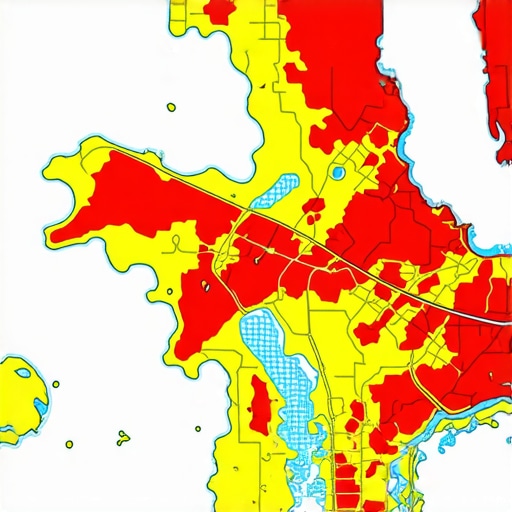
Rather than relying solely on radius-based service areas, draw polygons that outline your actual service zones. This technique avoids diluting your relevance by including unserviceable regions. In a recent audit, I mapped out Ewa and Mililani exactly, which prevented Google from associating my listing with distant or irrelevant locations, improving local visibility.
Avoid Overextending with Vague Boundaries
Resist the temptation to enter overly broad or vague areas like “Hawaii” or “Oahu.” Such broad definitions can signal to Google that your business isn’t specialized or locally focused, hurting your rankings. Instead, narrow the focus to your core neighborhoods. I tested this by updating my profile from “Honolulu and all of Oahu” to specific districts, which led to higher local map pack positions.
Update Your GMB Profile with Accurate Service Areas
Once you’ve defined your zones, ensure your Google My Business profile reflects these changes accurately. Use the dashboard to specify your service areas precisely, avoiding generic descriptions. Combining this with location-specific keywords can multiply your visibility. For more detailed tips on this, check out Honolulu Local SEO tactics.
Consistently Review and Adjust Your Zones
As your business grows or shifts focus, revisit and refine your service areas. Use Google Analytics and Maps insights to see where your traffic originates and update accordingly. I once noticed increased inquiries from Kailua, so I added that to my service areas, which further improved my local rankings and lead quality. Regular adjustments help maintain relevance and competitive edge in Honolulu’s dynamic market.
Many local business owners believe that simply listing their business on Google Maps and optimizing basic profile details is enough to rank highly in Honolulu’s competitive local searches. However, this is a misconception. In reality, the landscape of map SEO in Hawaii involves nuanced strategies that go well beyond the basics. For example, some assume that keyword stuffing in their business description will boost visibility, but instead, it can cause penalties or dilute relevance. It’s crucial to remember that Google prioritizes user experience and relevance over aggressive keyword use, so focus on providing accurate, helpful information instead. Additionally, a widespread myth is that reviews alone determine rankings. While reviews influence customer perception and click-through rates, factors such as proximity, consistency in NAP (Name, Address, Phone Number), and local signal strength are often more impactful than reviews alone. The danger here is neglecting these technical and local signals while obsessing over review counts. An advanced mistake I see frequently is overlooking the importance of local content and neighborhood signals. Optimizing your profile without engaging with local communities, using locally relevant keywords, or participating in local events can hinder your map rankings in Honolulu’s dynamic market. According to Moz’s Local Search Ranking Factors study, proximity, relevance, and review signals collectively make up over 60% of ranking factors, clearly indicating that a multi-faceted approach is necessary. To get ahead, avoid the trap of focusing solely on reviews or superficial optimization. Instead, build a comprehensive local SEO strategy that includes precise service areas, consistent citations, localized content, and active community engagement. For in-depth tactics tailored to Honolulu’s unique market, explore our detailed guides such as Honolulu Local SEO tactics and GMB optimization mistakes to avoid. Remember, achieving top rankings requires a balanced approach that anticipates and counters common myths—don’t let these misconceptions hold your Honolulu business back. Have you ever fallen into this trap? Let me know in the comments.
Maintaining effective Google Maps and local SEO strategies in Honolulu requires more than initial setup; it demands ongoing attention with the right tools and consistent habits. Personally, I rely on BrightLocal for tracking citation consistency and monitoring review performance. Its detailed reports illuminate where my profiles may drift from best practices, allowing me to address issues proactively. Additionally, I use Google Analytics and Google Search Console to gauge traffic sources and user behavior, ensuring my local efforts align with actual customer interactions. These tools help me identify trends, such as seasonal shifts or the impact of new competitors, so I can refine my approach accordingly. Predictions suggest that local search management will increasingly leverage AI-driven analytics, enabling hyper-targeted adjustments with less manual effort. Staying ahead entails embracing these innovations early and fine-tuning your local presence continuously.
How do I maintain my Honolulu local SEO over time?
Successful long-term management involves regular audits of your GMB and citation profiles. I make it a point to review my local search tactics quarterly, adjusting for market changes or new service areas. Another essential practice is engaging with your community through local content—such as neighborhood highlights or participation in Honolulu events—which signals relevance to Google and builds trust with local customers. I also recommend updating your photos and service descriptions seasonally to reflect current offerings. Embracing automation with tools like SEMRush or Whitespark can streamline citation management and review monitoring, preventing profile decay or inconsistency. Remember, persistence pays off, and keeping your GMB profile optimized with fresh, relevant data helps sustain high rankings. For deeper insight, check out our guide on local SEO tactics.
One actionable tip I suggest is setting up automated review requests after service completion—this simple step can significantly enhance your reputation and visibility over time. Don’t neglect the power of consistent profile updates and community engagement; they are your allies in maintaining a dominant position in Honolulu’s competitive local market.

The Hidden Traps That Nearly Cost Me in Honolulu Local SEO
One of the most eye-opening lessons I learned was the danger of overextending my service areas. I had believed that casting a wide net would bring in more clients, but instead, it diluted my relevance and hurt my Google Maps rankings. That realization forced me to get specific, focusing on neighborhoods like Kaimuki and Waikiki, which truly matched my service range. Narrowing my focus not only improved my relevance signals but also built stronger trust within those communities.
Another underestimated lesson was the significance of precise boundary mapping. Using polygon maps to define my actual service zones prevented me from competing with distant businesses that had no real connection to my target audiences. Regularly reviewing and updating these boundaries kept my profile aligned with my evolving operations—no more vague “Honolulu area” listings.
I also learned that, beyond just optimizing your profile, engaging with local content and participating in neighborhood events provides a dual benefit: boosting relevance signals and building local brand authority. Incorporating locally relevant keywords and showcasing community involvement made a tangible difference in my map rankings, especially in a market as vibrant as Honolulu’s.
Lastly, leveraging analytics tools like BrightLocal and Google Search Console became game-changers. They revealed traffic sources and keyword opportunities I hadn’t considered, helping me refine my strategy, react to market shifts, and avoid complacency. Recognizing these lessons and actively applying them turned my local SEO efforts from guesswork into a proven growth engine.