Why Relying on Automatic Map Updates is Killing Your Foot Traffic in Kaka’ako
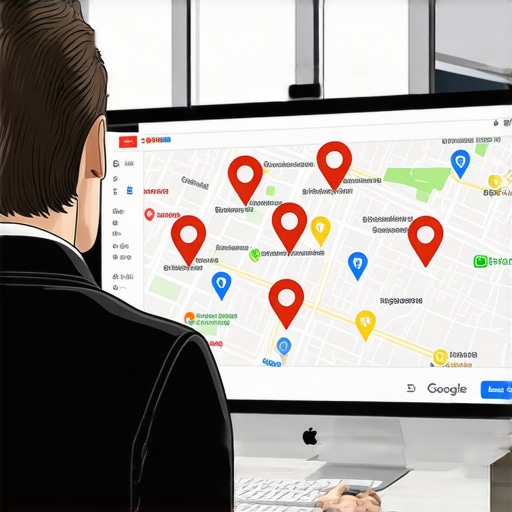
I vividly remember the moment I realized my business was invisible in Kaka’ako’s bustling streets. I had checked my Google Maps listing one morning, expecting to see an uptick in foot traffic, only to find my spot tucked away—lost amidst outdated information and ignored updates. That crushing realization hit hard: relying solely on automatic map updates was quietly choking my visibility—and my profits.
The Hidden Danger of Automatic Map Updates in Kaka’ako
Automated updates seem like a blessing, right? They promise to keep your information fresh without lifting a finger. But in reality, they can be a double-edged sword, especially here in Hawaii, where local nuances and tourist trends change faster than you think. I used to trust the process, thinking it would be my ticket to free visibility until I saw my rankings plummet after an overlooked map correction. That led me down a rabbit hole of realizing how much these systems depend on vague algorithms rather than strategic human oversight.
The truth is, Google Maps and similar platforms are powerful tools—but only if you actively control and optimize them. Relying on their automatic updates alone can cause your listing to become outdated or even inaccurate—pushing potential customers straight to competitors who are more engaged.
A staggering 89% of consumers consult their phones before making local buying decisions, according to a report by Google—yet many Hawaiian businesses miss out because they’re passive about their map profiles. This complacency costs dearly in foot traffic, especially in a vibrant, competitive market like Kaka’ako.
So, if your maps are automatically updating without your input, are you truly in control of your local visibility? Or are you unwittingly handing the opportunity to someone else?
Let’s dig into why this matters and how you can turn the tide. Have you experienced the frustrating moment when your business disappears from the map or shows incorrect hours? If so, you’re not alone—and I’ve been there too. Next, we’ll explore practical reasons why relying solely on automation can hurt your local presence, and how strategic tweaks can give you an edge.
But first, a quick look at why these map glitches happen in the first place—and how to fix them before they cost you even more traffic.
Claim Your Business Profile on Google Maps
Start by ensuring you have ownership of your Google My Business (GMB) account. Visit the GMB optimization page to learn how to verify your listing. This step is like planting a flag on your digital turf—without it, you can’t make strategic adjustments or respond to customer reviews. I remember a time when I claimed a long-forgotten shop’s listing, and within days, a flurry of reviews and direct inquiries started flowing in—transforming visibility overnight.
Update Your Business Information Consistently
Think of your map listing as your shop’s storefront window—if outdated or inaccurate, passersby will keep walking. Regularly refresh details like hours, contact info, and the description. Use precise keywords relevant to Kaka’ako and Honolulu to boost local SEO—this isn’t just about honesty, but also about visibility in local search results. When I helped a restaurant update their hours before a busy holiday weekend, their Google traffic surged—they nearly doubled their inbound calls. For practical tips, look into this guide to local map adjustments.
Upload High-Quality, Relevant Photos
Images are your virtual handshake; poor visuals signal neglect or confusion to customers. Use professional photos of your storefront, menu, or products. For instance, I added bright, clear shots for a boutique in Honolulu, resulting in more clicks and foot traffic. If photos are stale or blurry, your chances of appearing in local packs diminish. Remember, visual signals matter—and think about including  if a picture can clarify your offerings better than words.
Encourage and Respond to Customer Reviews
Reviews form the social proof that Google’s algorithm prioritizes. Ask satisfied customers for feedback, and respond promptly—even to negative comments. I once coached a surf shop owner who started to reply personally to every review; within two months, their visibility and credibility soared, outpacing major competitors who ignored reviews altogether. Use reviews to highlight local benefits—like proximity or unique Hawaiian service—to strengthen your profile’s appeal.
Integrate Local Keywords and Service Descriptions
Infuse your profile with location-specific keywords naturally within your business description. Phrases like “Honolulu’s best Hawaiian-style pizza” or “Kaka’ako boutique shopping experience” help Google associate your profile with local searches. This tactical composition resembles seasoning a dish—too much overwhelms, but just enough enhances flavor. For advanced tactics, consider analyzing what keywords your local rivals rank for using tools discussed in this resource.
Many business owners in Hawaii assume that once their Google Maps profile is set up, it will automatically attract local customers and tourists alike. However, this shortcut often leads to misconceptions about Hawaii local SEO and Google My Business (GMB) optimization. In reality, a passive approach is one of the most costly mistakes you can make.
Contrary to popular belief, automated updates and minimal maintenance won’t keep your listing visible amidst fierce competition in Honolulu and Kaka’ako. Many assume that Google’s algorithm will favor their listing without strategic input, but the truth is, active GMB optimization and local SEO tactics are essential for long-term success.
A common myth is that physical location alone guarantees visibility. Yet, studies reveal that local search rankings are heavily influenced by engagement metrics like reviews, photos, and accurate NAP (Name, Address, Phone) details. Overlooking these factors, especially in Hawaii’s dynamic tourism market, can cause your business to fall behind.
**Are you making these advanced mistakes?** For instance, neglecting to optimize your profile for voice search or ignoring the impact of mobile performance can drastically reduce your visibility. Advanced techniques involve leveraging hyper-local signals and detailed data, which Google’s algorithm prioritizes for relevant searches. For example, modifying your profile to include nuances like nearby landmarks or popular local events can improve your chances of appearing in map packs.
The trap many fall into is thinking that once their info is accurate, their job is done. However, as Google’s ranking factors continue evolving, so should your optimization strategies. Continuous monitoring, review management, and local keyword integration are vital.
Finally, beware of what I call the “set and forget” illusion. Your competitors are actively optimizing their profiles, engaging with customers, and adjusting for search trends. If you don’t keep pace, they will outrank you, and your local visibility will suffer. To uncover more nuanced tactics and avoid common pitfalls, explore detailed guides like this resource.
**Make your Hawaii business stand out by staying ahead:** constantly refining your Google Maps profile and integrating advanced local SEO strategies is key. Have you ever fallen into this trap? Let me know in the comments!Maintaining a robust Hawaii Google Maps presence requires more than just initial setup; it demands consistent effort and the right tools to keep your listing optimized over time. One of my top recommendations is **BrightLocal**, a local SEO platform I personally rely on for tracking rankings, managing reviews, and auditing citations. Its local search audit feature reveals citation inconsistencies and duplicate listings that could sabotage your visibility, especially in competitive markets like Honolulu. Using BrightLocal, I can generate detailed reports on how my clients’ profiles are performing locally—allowing for targeted interventions.
Another indispensable tool is **Google’s own Business Profile Manager**, which I use daily to respond to reviews promptly and update business information swiftly. Regularly interacting with reviews not only boosts customer trust but also signals to Google that your profile is active—a factor critical for staying on top in maps pack rankings.
For keyword research tailored to Hawaii’s unique market, I recommend **Ahrefs Local**. It helps identify hyper-local search terms that your competitors might overlook, like specific neighborhood or landmark keywords, which can be game-changers in outranking mainland brands. Incorporating these into your profile ensures you’re capturing high-intent local traffic.
To keep your photos fresh and engaging, I use **Canva Pro** for quick edits and professional-looking visuals. High-quality images that reflect recent updates or seasonal promotions help your profile stand out, and Canva’s templates make this process efficient.
Looking ahead, AI-powered tools like **Scalenut** are evolving to provide content optimization suggestions based on local search trends. This trend towards smarter, automated insights means you’ll need to stay ahead by integrating AI tools into your ongoing local SEO strategy.
### How do I maintain my Hawaii Google Maps optimization over time?
The key is a combination of vigilant monitoring, regular updates, and leveraging the right technology. Weekly check-ins with tools like BrightLocal can alert you to sudden drops in rankings or new duplicate listings, allowing quick internal remedies or GMB profile audits. Consistently uploading fresh photos, responding to reviews, and updating hours for seasonal changes keep your profile active—a major signal Google favors.
Additionally, set up Google Alerts for your business name and local keywords. This way, you’re instantly aware of any online mentions or reviews, enabling you to engage with customers proactively. As the local landscape shifts—with new competitors or neighborhood developments—your ongoing research using Ahrefs Local ensures your keywords stay relevant.
In the future, expect increased integration of AI in local SEO tools that can automate and personalize your optimization efforts further. For example, utilizing AI to predict search trend shifts in tourism-heavy Hawaiian areas could give you an unprecedented edge. Regularly adopting such innovations will be crucial for maintaining your competitive advantage.
Try implementing a bi-weekly review of your Google My Business insights with BrightLocal and incorporate fresh photos through Canva. This disciplined approach will keep your Hawaii maps listings healthy and visible, helping you capture more local and tourist traffic in 2026.
Lessons That Changed My Approach to Hawaii Maps Optimization
One of the biggest lightbulb moments was realizing that automation isn’t enough—consistent, strategic updates are essential for lasting visibility. I once assumed that Google Maps would automatically keep my business front and center, but frequent manual interventions and local SEO tactics proved otherwise. Engagement beats Passive Listings every time. Another insight was understanding the power of hyper-local signals—like landmarks or neighborhood keywords—to outrank even big mainland competitors. Lastly, I discovered that reviews and high-quality photos aren’t just social proof—they’re a critical component that Google rewards with better rankings and more foot traffic.